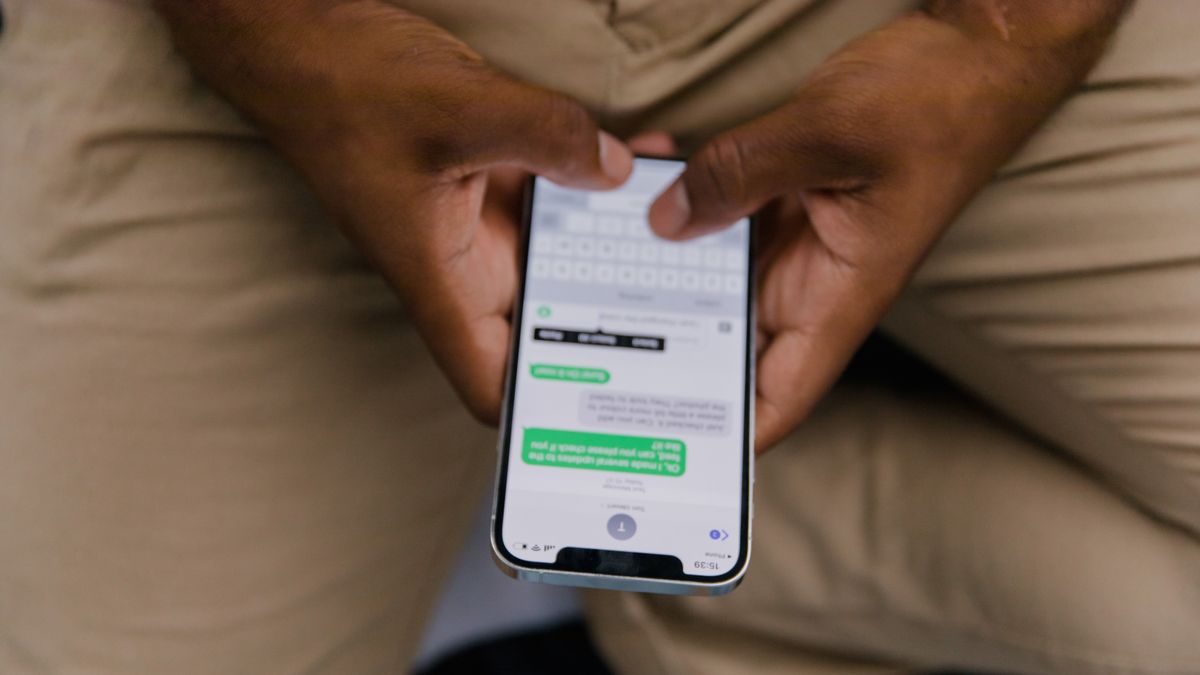
Send the same sentence to fifty people and two different systems will notice. The first is Instagram's spam detection, for which "many copies of identical text" is the oldest signal in the book. The second is recipient number thirty-seven, who has seen this exact message before — maybe today — and archives it on reflex.
The fix is not writing fifty messages. It's writing one message that arrives as fifty different ones. Two mechanics do this: merge tags and spintax. They take ten minutes to learn and they're the difference between outreach and a blast.
Merge tags: one template, individually addressed
A merge tag is a placeholder that fills in per-recipient data at send time. Write Hey {username} — your last reel was exactly our customer and each creator in the batch receives their own handle in the message. In Seed's sender the tags cover the outreach essentials: the recipient's handle, and — for gifting flows — their name, tracking number, and a personal gift or post-submission link minted per creator.
The detail that separates good senders from embarrassing ones: the empty case. What happens when a recipient has no value for a tag? The bad answer is "your tracking is null." Seed drops the entire sentence containing a tag with no value, so the message just reads naturally without it. Whatever tool you use, check this before trusting it with a real batch.
Spintax: no two messages identical
Merge tags personalize the content; spintax varies the wording. The syntax is braces and pipes — {Hi|Hey|Hello} — and the sender picks one option per message. Scatter a few through a template and the combinations multiply fast:
{Hi|Hey} {username} — {loved|really liked} your last reel. {We make|We're the team behind} a ceramide serum your audience would {recognize|get} instantly.
Three variant groups with two options each is already eight distinct messages; add the merge tag and no two sends in the batch share either wording or content. That's the property both spam filters and humans respond to.
One caution: spintax is seasoning, not a disguise. Rotating "Hi" and "Hey" on top of a lazy pitch produces eight versions of a lazy pitch. The variant groups should carry equal quality — never write a B option you'd be embarrassed to send alone.
The personalization stack, in order of power
- The hand-written first line. Nothing beats a sentence about their specific post — and since Instagram crops message-request previews to one line, that's exactly where it belongs. For your top-tier targets, write it per-recipient even in a bulk batch. (Why the first line decides everything: the cold DM playbook.)
- Merge tags — individual addressing at full scale, free.
- Spintax — wording variety at full scale, free.
- Segmented templates. One message for skincare creators, another for fitness; one for the gifted-but-hasn't-posted list, another for cold prospects. Smaller, sharper batches beat one template stretched across everyone.
Doing it in practice
In Seed's free IG DM Sender: paste your handle list, write the template with tags and variants, and the preview shows the rendered message per recipient before anything queues — what you see is byte-for-byte what sends. The extension then works through the batch in your own logged-in Instagram tab with randomized human-paced gaps and a hard 50/day cap (the reasoning behind that number: Instagram DM limits).
For warm audiences — creators you've already gifted — the tags get more powerful, because the data is richer: tracking numbers, delivery dates, personal post-submission links, all pulled from your Shopify orders. That flow is the DM follow-ups walkthrough.
FAQ
What are merge tags? Placeholders like {username} that fill in per-recipient at send time. What's spintax? {option|option} syntax that rotates wording so no two messages match. Why bother? Identical text is what both spam filters and annoyed humans detect — personalization raises replies and lowers risk simultaneously. Empty tag? The sentence should drop, not render "null" — verify your tool does this.