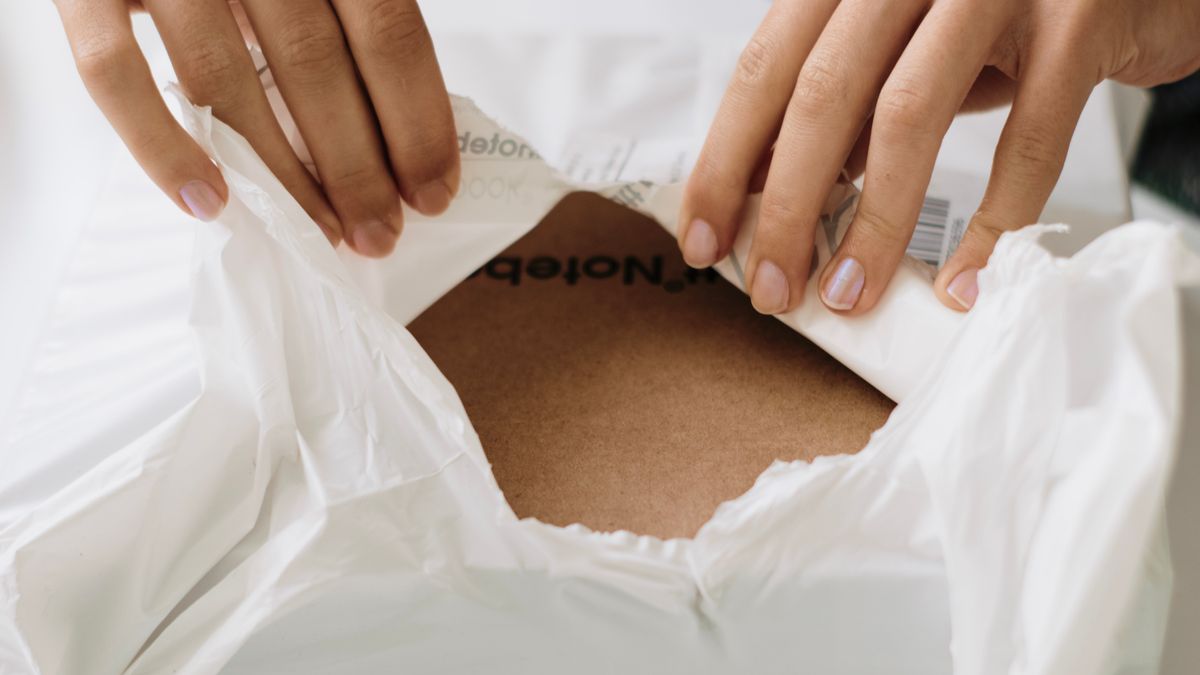
Most gifting programs put real effort into finding the right creator and then ship the product in whatever the warehouse already uses: a poly mailer, a packing slip, maybe a sticker if someone remembered. That box arrives, gets opened over a bin, and there is nothing in it worth pointing a phone at. The creator was never going to fake enthusiasm for a shipping label. This is the gap between a brand that sends product and a brand that gets content back.
Why the standard mailer produces silence
A poly mailer with a packing slip is built for one job: getting a product from a warehouse to a doorstep without damage. It says nothing about the brand, nothing about the creator, and nothing about why this box is different from an Amazon return. Creators open dozens of these a month. Unless something inside signals "this took thought," the product goes straight into a drawer and the relationship ends at delivery.
The fix is not expensive custom packaging. Most creators will never see your box in person if you rebrand the outer mailer, since the interesting part happens after the seal is broken. What actually earns a Story or a Reel is what is inside: something to reveal, something personal, and something they can hold up to the camera without narrating it themselves.
The handwritten note works, and it stops working at scale
A genuine handwritten note is one of the highest-converting inserts you can put in a box. It costs almost nothing and it reads as effort in a category where effort is rare. Creators post handwritten notes unprompted, because the note itself is content: a close-up shot of a real signature says "a person did this," not "a system did this."
The problem shows up around box 20 to 30 a month. At that volume, either the founder is spending hours writing notes by hand every week, or someone else is writing them and the handwriting no longer matches, or worse, the notes stop entirely and nobody tells the creators the personal touch went away. None of those are sustainable. This is the exact point where most brands quietly drop the note and go back to a generic slip, and post rates fall with it.
The note that scales
The answer is not to fake handwriting with a font. Creators can tell, and a fake handwritten font reads worse than no note at all. The answer is a printed card with a format that stays warm without requiring a human to write each one:
- Use their name and handle, printed, not typed by a template with a broken variable. "Hey Maya, we picked this for @mayawears" reads as specific even though it is produced at volume. A card with a mail-merge tell (wrong capitalization, a stray bracket) does more damage than no personalization at all.
- Say why this product, for them specifically. One line is enough: "saw your reel on morning routines and thought of this one." It does not need to be true in a deep sense, it needs to be specific enough that it could not have been sent to anyone else on the list.
- Skip the ask on the card. No hashtag list, no "please post within 7 days," no usage-rights language. That belongs in the message that got them here, not stapled to the gift. A card that reads like a contract undoes the goodwill the box was supposed to build.
This is also where a small operational win hides: if the card carries a printed campaign name or code, it doubles as a way to identify which gift order a piece of content came from later, without anyone having to dig through a shared inbox or ask the creator which product they got. Small detail, but it is the difference between knowing which campaign drove a specific post and guessing.
What to include, and what to cut
A box worth filming needs very little. More is not better past a certain point, because a creator filming a 20-second unboxing does not want to narrate six items.
- Keep: the product, the printed note, one small reveal moment (tissue, a second layer, a ribbon pull), and if relevant, a size or shade reference card so they are not guessing on camera what they are holding.
- Cut: a printed brief, a hashtag sheet, a discount code for their followers unless you actually want them running a promo, and filler swag that has nothing to do with the product (a pen, a sticker sheet, a tote bag nobody asked for). Every extra item is something the creator has to explain or ignore on camera.
One idea worth borrowing from cosmetics brands known for their gifting boxes: curate the box around a small, considered set rather than the whole catalog. A brand like Rare Beauty is known for boxes that feel edited, not dumped. Three products chosen to work together photograph better and unbox better than eight loose items thrown in because they were in stock.
Cost per box: the number most brands never write down
A printed card, a small packaging upgrade (tissue, a sticker to seal it, a ribbon), and the extra minute of labor to assemble it properly run $1 to $4 per box for most cosmetics and apparel brands, on top of product cost and shipping. That is not a rounding error at 50 boxes a month. Brands that cost gifting as "free product equals free marketing" and never count the packaging, the shipping, or the time spent assembling boxes get a real shock the first time they add it all up. Budget for it the same way you budget for the product itself, not as an afterthought line.
For a full breakdown of what a gifting program actually costs end to end, including the parts that never show up in a spreadsheet until the invoice arrives, see how much does influencer gifting cost.
Cosmetics, apparel, and consumables need different boxes
The category changes what "worth filming" means, and treating every vertical the same way wastes the packaging budget.
- Cosmetics. This category runs on the reveal. Tissue paper, a second layer, a product that looks good in overhead light. Shade or ingredient cards matter here specifically, since a wrong-shade unboxing is a wasted box and a bad look on camera.
- Apparel. The unboxing matters less than whether the item is easy to style on camera. A folded item with a small styling card (how it pairs, what it looks good with) saves the creator from having to figure that out themselves before filming. Getting the size right the first time matters more here than any insert, since a piece that does not fit never gets worn on camera at all.
- Consumables. Freshness and safety have to be visible in the box itself: a best-before date the creator can read, clear labeling if there are allergens or dietary flags, and packaging that does not look like it has been sitting in a warehouse for months. A creator will not put an unlabeled jar to their mouth on camera, no matter how good the note is.
Getting the details right before the box ships
None of this works if the shade, size, or variant is wrong when the box arrives, which usually traces back to how the address and product choice were collected in the first place. A DM back-and-forth about sizing or shade is where most of these mistakes get made, and it is also where campaigns lose weeks waiting on a reply. A branded gifting link where the creator picks their own product and variant before typing their address removes that guesswork on your end. Seed is built for exactly that: one link per campaign, the creator self-selects, and a $0 draft order lands in Shopify tagged with the campaign automatically, so the right variant ships the first time. Full breakdown in how to send free products to influencers on Shopify.
Keeping a record of what shipped to whom, and what came back, also compounds over time. A roster you can query beats a spreadsheet nobody updates, especially once you are running this every month instead of once a quarter. More on building that in building a creator CRM in Shopify.
And once a handful of boxes are converting well, the packaging decisions above become one of the levers behind why creator volume drives GMV: more boxes that are actually worth filming means more of the content you send out comes back as a post instead of sitting in a drawer.